
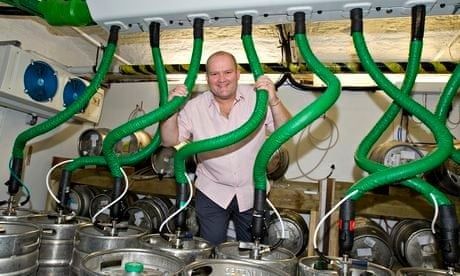
Why the Cellar is the Real Engine Room of British Pubs
A pub can have warm service, a welcoming atmosphere and a carefully chosen drinks range, yet still lose a customer at the bar if the pint arrives flat, cloudy, over-foamed or oddly flavoured. Guests may not know whether the problem lies with the keg, the cooler, the gas pressure or the beer line, but they know when the drink does not taste right. In a competitive local market, that disappointing first sip can undo a great deal of front-of-house effort.
The cellar is therefore not simply a storage room beneath the bar. It is the point at which temperature, pressure, hygiene and equipment maintenance come together to determine what reaches the customer. When looking to optimise dispense performance and minimise wastage across draught installations, expert cellar advice from specialist hospitality partners can identify critical cooling imbalances before they become expensive service problems. Good cellar discipline protects reputation, improves yield and gives staff the confidence to serve a consistently excellent pint.

Cellar Temperature and the Hidden Financial Drain of Fobbing
For many British draught systems, a cellar temperature between 11°C and 13°C provides a practical operating window, although the precise serving temperature still depends on the beer style, dispense design and brewery guidance. The important point is stability. Beer should not be allowed to warm and cool repeatedly, and remote lines must be cooled appropriately as they travel from the cellar to the bar. Temperature affects dissolved carbon dioxide, head retention and the speed at which beer leaves the faucet.
When beer becomes too warm, carbon dioxide breaks out of solution. The result is fobbing, where beer expands into foam in the line or at the tap. Staff then pour away the excess, top up the glass and may repeat the process several times. A small increase in temperature can therefore become a daily loss of saleable liquid, as well as creating queues, frustrated staff and inconsistent presentation. The full draught system, including the keg, gas supply, beer lines, cooling equipment and faucet, must work as one balanced installation. The Brewers Association Draught Beer Quality Manual provides detailed guidance on system configuration, cooling, pressure and troubleshooting.
The financial impact is easiest to understand through a simple calculation. If a venue loses 150 millilitres to foam on 80 pints each day, that is 12 litres, or roughly 21 pints, lost daily. At a selling price of £5 per pint, the missed sales value approaches £105 per day. Even allowing for different margins, trading patterns and the fact that some foam can be recovered, the annual exposure can run into thousands of pounds. A manager should measure actual wastage rather than guess. Collect the liquid discarded during a busy service, record it over a week and multiply the result by the venue”s net selling value.
| Check | What to look for | Why it matters |
|---|---|---|
| Cellar temperature | Stable readings within the agreed operating range | Reduces gas breakout and protects beer quality |
| Remote cooler | Correct glycol or chilled-water temperature and circulation | Prevents warm beer in long-draw lines |
| First pour | Excessive foam, slow flow or unusual aroma | Highlights line, faucet or cooling problems |
| Drip-tray waste | Foam and liquid volume recorded by shift or day | Turns hidden loss into a measurable cost |
Daily checks need not be complicated. Record the cellar temperature at opening and during the busiest service period, inspect the cooler display, check that fans and pumps are operating, and look for kinks or warm spots in trunk lines. A remote cooler can show a normal headline temperature while circulation is restricted, so staff should also judge performance at the bar by checking pour speed and beer temperature. Any sudden change deserves investigation rather than repeated pressure adjustments, which can mask the underlying fault.
The Microbiology in Your Lines and What Ruins the Pour
Beer lines provide moisture, nutrients and sheltered surfaces, which makes them an attractive environment for microorganisms when cleaning is delayed. Wild yeasts can produce haze, sediment and unwanted fermentation notes. Acetic bacteria may create vinegar-like sourness, while lactic bacteria can generate sharp acidity and other taints. Diacetyl-producing organisms may contribute buttery flavours. These problems are particularly damaging because a line can look clear while still carrying an invisible biofilm.
Beer stone is a separate but related concern. It is commonly associated with calcium oxalate and other mineral and beer residues that adhere to the internal surface of lines and fittings. Alkaline detergent is effective against organic soil, but repeated cycles may not fully remove mineral deposits. An acid-cleaning rotation is therefore needed where beer stone is present. Acid products must be used according to their instructions, kept separate from caustic cleaners and followed by a thorough water flush.
The effect of contamination varies with the beer being served. Cask ale is often more delicate, with subtle malt, yeast and hop characteristics that can be overwhelmed by sourness or stale flavours. Keg lagers and craft beers may suffer from dull aroma, harsh bitterness, buttery notes, cloudiness or excessive foam. Changing a keg will not solve a contaminated line, and a visually bright pint is not proof that the system is hygienic. The Draught Beer Quality Manual explains why strict sanitation, cleanliness testing and documented maintenance are essential for dispense integrity.
- Butter, butterscotch or stale flavours can indicate microbial activity or beer that has been held too long.
- Vinegar-like sourness may point towards acetic contamination or residue in lines and fittings.
- Brown flakes, cloudiness or visible growth require immediate isolation and cleaning.
- Sluggish pours and recurring foam can signal deposits, restricted lines or dirty hardware.
- A problem that remains after cleaning should prompt inspection of faucets, couplers, seals and cooled trunk lines.
Faucets and sparklers deserve particular attention because they are exposed to air, splashes and frequent handling. A dirty nozzle can contaminate beer after it has travelled through a clean line. Couplers, seals and check valves can also hold residue in places that are missed during a quick flush. Hygiene is a system-wide responsibility, not merely a matter of putting cleaning fluid through the tubing.
A Publican Guide to a Disciplined Line Cleaning Routine
A reliable two-week cleaning rhythm should be treated as a fixed operational standard, not an optional task for a quiet day. The draught beer line cleaning log recommends documenting the cycle so the retailer, supplier and brewer can see when the system was last serviced. Some locations and local requirements may demand a specific interval, so the venue”s legal and supplier guidance should always be followed.
Routine cleaning normally uses an appropriate alkaline or caustic beer-line detergent. The product must be measured accurately, because weak solution may leave soil behind while excessive concentration can create safety risks, damage components or make rinsing more difficult. Staff should wear the required protective equipment, follow the product label and never mix acid and alkaline chemicals. A controlled written procedure removes guesswork when the task is completed by different members of the team.
- Isolate the keg or product supply and push the remaining beer out of the line with clean water or the approved cleaning arrangement.
- Prepare the detergent at the manufacturer”s stated concentration and temperature, then connect the cleaning vessel or recirculation pump.
- Recirculate the solution for at least 15 minutes, or allow the line and removable parts to soak for the specified contact time, commonly around 20 to 30 minutes.
- Remove faucets, nozzles, sparklers and couplers where the system allows, then brush every accessible surface, seal and small passage.
- Flush thoroughly with clean water until chemical residue has been removed. Check the rinse water as required by the venue”s procedure, including pH where appropriate.
- Rotate in an acid clean, often on a quarterly basis or when mineral deposits are suspected, after a complete water flush and never directly on top of caustic solution.
- Reconnect the keg, pull a check glass, discard the initial rinse or residual beer and confirm aroma, clarity, temperature and pour quality before service.
Cleaning is also an opportunity to inspect the installation. Look for cracked tubing, worn seals, loose fittings, damaged brushes and evidence of leaks. A line that cannot be cleaned effectively may need replacement, especially if it has become permanently stained, softened or repeatedly associated with off-flavours. Long-draw systems require particular care because trunk lines and cooling circuits introduce more distance and more potential points of failure.
The log should be visible, dated and specific. Record the person responsible, the lines cleaned, the chemical used, the concentration if required, the contact time, the acid-clean date and any faults found. A simple sheet beside the cellar entrance is more useful than an elaborate record hidden in an office. Managers should review it during weekly checks and challenge missed dates immediately, before the delay becomes a quality complaint.
Turning Flawless Quality Into Higher Margins and Loyal Regulars
Cellar yield is one of the clearest ways to connect technical work with profit. If better cooling and cleaner lines reduce average wastage by even one pint per line each day, a ten-line system saves roughly 3,650 pints a year. At a £5 selling price, that represents up to £18,250 in sales value before accounting for product cost and the exact proportion that would otherwise have been sold. The number will vary, but the principle is dependable: small daily losses become meaningful annual sums.
There is also a less visible return. A properly presented pint arrives with the right level of carbonation, a stable head and the aroma expected by the customer. That consistency encourages another round, protects recommendations and gives regulars a reason to choose the venue over a nearby competitor. Commercial guidance from Micro Matic”s cleaning resource links routine maintenance with reduced waste, customer satisfaction and draught sales performance.
- Train every bar staff member to recognise fobbing, warm beer, poor head retention and unusual aroma.
- Explain the financial reason behind cellar checks, so maintenance is understood as revenue protection.
- Use a standard first-pour and quality-check routine after cleaning or changing a keg.
- Measure waste by line, shift or product to identify recurring equipment problems.
- Celebrate clean, well-run cellar practice as part of the venue”s hospitality culture.
Staff who understand the cellar are better equipped to answer customer questions and respond calmly when a pour goes wrong. That knowledge builds pride. It also prevents the common habit of compensating for poor cooling or dirty lines by changing gas pressure, tilting glasses excessively or blaming the product. Technical literacy turns a reactive service team into a preventative one.
Put Cellar Discipline at the Heart of Your Operation Today
Excellent draught service rests on a few non-negotiable habits: keep cellar temperatures stable, verify remote cooling, monitor foam waste, clean lines on a documented two-week cycle and give faucets, couplers and sparklers the same attention as the tubing. Use alkaline detergent for routine organic soil, rotate in an appropriate acid clean for mineral deposits and rinse chemicals thoroughly. When a problem persists, investigate the whole system rather than repeatedly adjusting pressure.
The most useful mindset shift is to view cellar discipline as a high-return investment rather than an unpleasant chore. A clean, balanced system saves beer, protects equipment, improves service speed and gives customers the pint they expected. Walk down the cellar stairs today and carry out an honest audit. Check the temperature, listen to the cooler, inspect the lines, read the cleaning log and measure what reaches the drip tray. The next improvement may be small, but repeated every day it can strengthen both the welcome at the bar and the bottom line behind it.