
The Ghost Town Dining Room Dilemma
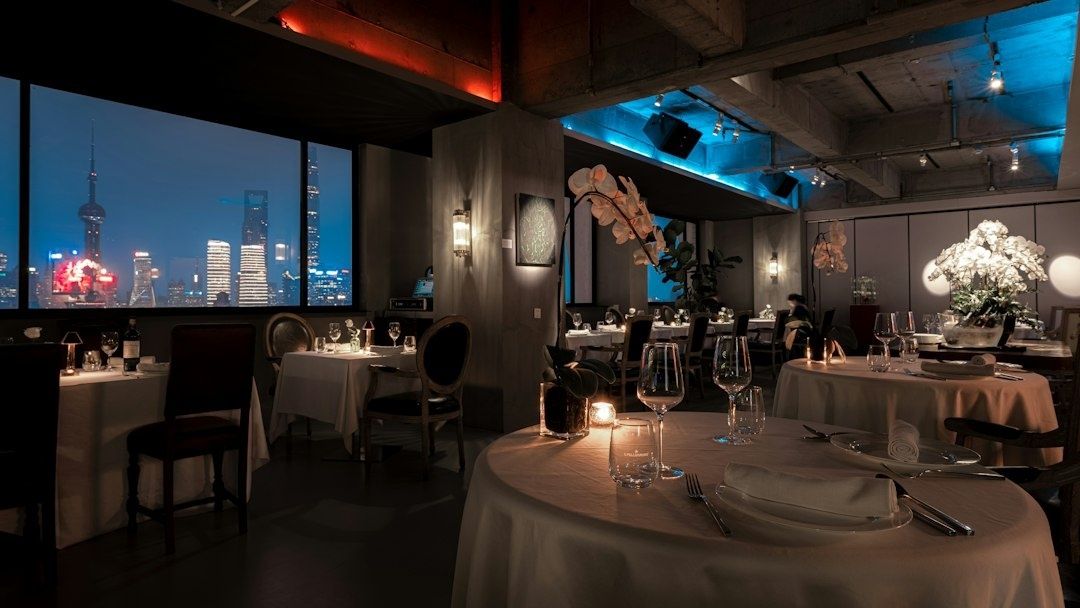
There is a particular kind of silence that every pub landlord recognises. It is Tuesday evening in a 60-cover dining room, three isolated tables are occupied, and every conversation seems to echo across the empty space. The kitchen is open, the lights are on, the heating is running, and the team is waiting for the next ticket. Meanwhile, potential customers passing outside may read the quiet room as a warning rather than an invitation.
The instinctive response is often to slash prices. Two-for-one vouchers, heavy discounts and last-minute deals may create a short burst of covers, but they can also train customers to wait for an offer, reduce perceived value and attract footfall that does not necessarily return at full price. A better approach is to stop thinking about how to fill every empty chair and start thinking about how to curate a lively, comfortable midweek experience. That means concentrating energy, simplifying the offer and giving local people a reason to make Tuesday or Wednesday part of their routine.
Mastering Floor Zoning to Eliminate the Echo Chamber
A dining room does not need to be full to feel successful, but it does need to feel inhabited. When guests are scattered across a large room, each table becomes unusually visible and the atmosphere can feel exposed. Place those same diners within a thoughtfully chosen section, and the room immediately feels warmer. Customers hear other conversations, notice the movement of service and gain the reassuring impression that the venue is where people want to be.
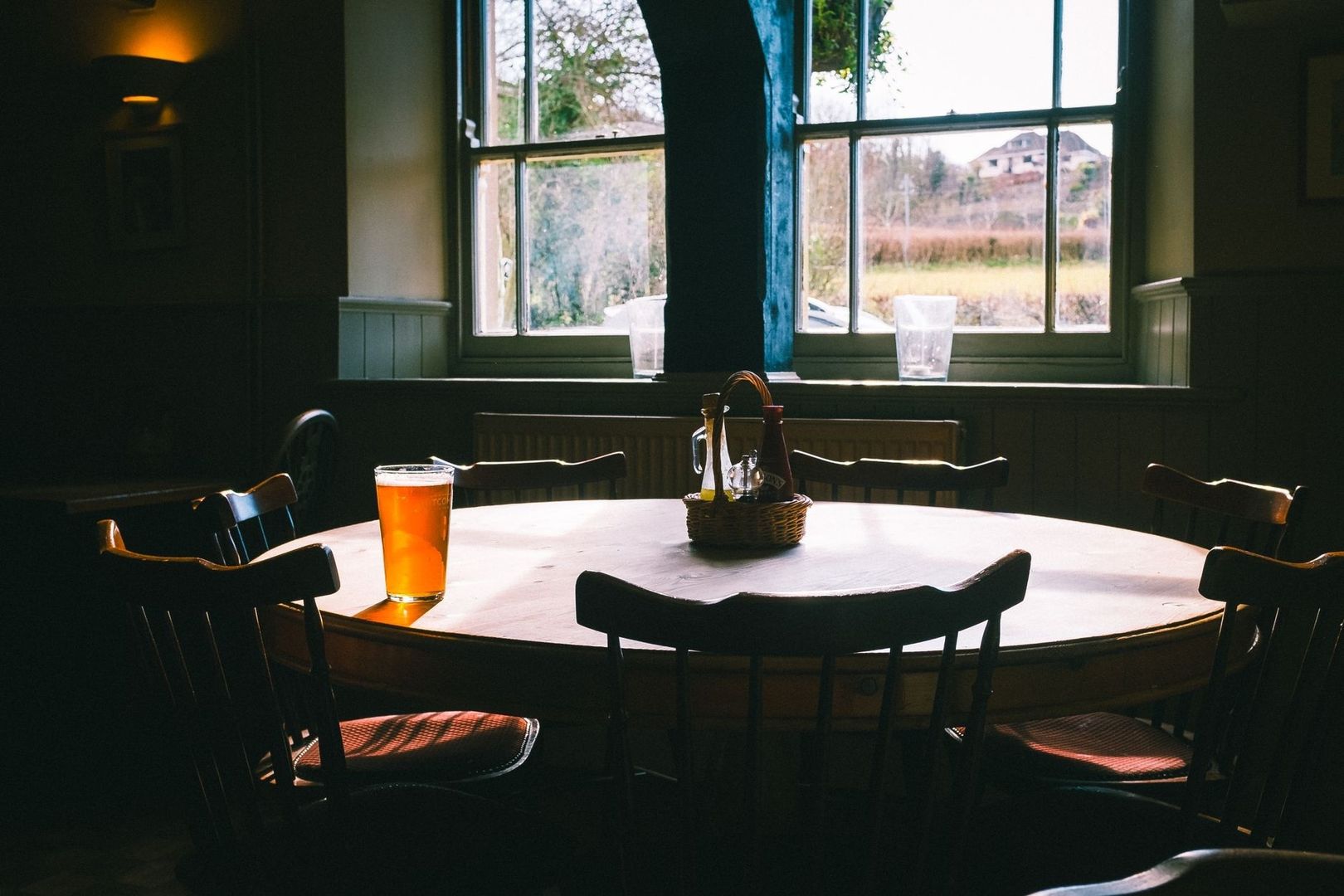
Floor zoning is not about making guests feel hidden away. It is about using the available space intelligently. On a quieter night, close a secondary dining room, mezzanine or distant bank of tables before service begins at 5pm. Choose the section with the best natural warmth, the most attractive features or the easiest access to the bar. Keep a larger area available for groups, but do not allow the whole venue to operate at full physical capacity when demand does not justify it.
The operational gains are just as important. A concentrated dining area means fewer front-of-house steps, easier communication between servers and the kitchen, and more visible management presence. It can reduce the number of lights required, limit heating in unused areas and make it easier to maintain clean, well-presented tables. When optimising your floor plan, having an intuitive hospitality EPOS and floor management system makes reassigning tables seamless.
- Identify the room or zone that feels most welcoming and make it the default midweek section.
- Keep tables close enough to create energy, while preserving comfortable spacing and clear walkways.
- Seat early arrivals in a visible area rather than placing them at the far end of an empty room.
- Keep one flexible section ready for walk-ins, larger bookings and accessibility requirements.
- Review the plan after service by checking covers, sales per occupied section and staff movement.
Reinventing Midweek Covers with Neighbourhood Supper Clubs
A neighbourhood supper club gives customers a clear proposition instead of another open-ended decision. A fixed price, a defined arrival window and a short menu remove much of the mental effort involved in choosing where to eat on a Wednesday. The invitation becomes simple: turn up, settle in and enjoy a proper meal without planning, shopping or cooking. The Upperhouse Supper Club, for example, is structured as a recurring first-Wednesday event, with a set meal and table service that makes the evening feel like an occasion rather than an ordinary booking.
For an independent British pub, the format does not need to be elaborate. A limited three-course menu might include a seasonal starter, a batch-friendly main and a dessert that can be prepared in advance. A roast onion and cheddar tart, braised beef shin or baked squash can provide character without demanding a separate mise en place for every table. The menu should be appealing enough to justify the event, but disciplined enough to protect the kitchen from a flood of unrelated requests. Dietary alternatives should be planned in advance and communicated clearly at the point of booking.
There is also a useful difference between normal à la carte trading and a supper club format. An à la carte menu can require multiple proteins, garnishes, sauces and cooking methods, with ingredients held for uncertain demand. A set menu allows purchasing and preparation to follow confirmed covers. The following comparison is illustrative rather than universal, but it shows where the efficiencies can emerge.
| Trading approach | Preparation pattern | Likely operational pressure | Commercial opportunity |
|---|---|---|---|
| Standard à la carte | Several ingredients and cooking methods held for unpredictable orders | More prep lines, more ticket variation and greater risk of unused stock | Broader choice, but less predictable demand |
| Wednesday supper club | Three planned courses prepared around booked covers | Front-loaded preparation and careful allergy management | Better purchasing control, clearer staffing and stronger event identity |
Ticketed reservations can provide useful commitment and reduce late cancellations, particularly when the menu is advertised several weeks ahead. Communal tables may suit a social pub, while smaller tables work better for couples and established regulars. Add a short drinks pairing, a local brewer introduction or a seasonal producer talk only if it improves the experience without slowing service. The goal is anticipation and repeatability, not a complicated performance.
Partnering with Local Groups for Built-In Tuesday Footfall
The strongest midweek partnerships are usually already present in the neighbourhood. Book clubs need a comfortable place to discuss a novel. Run clubs need somewhere to gather after a route. Board game groups value tables, dependable food and enough time to play. Local choirs, amateur dramatics societies, walking groups, parent networks and small business communities can all provide a regular reason to visit, provided the arrangement respects what the group actually needs.
Start with a compact offer that protects the kitchen during the busiest part of the group”s arrival. Post-gathering bar bites could include sausage rolls, Welsh rarebit soldiers, loaded potato skins or a platter of local cheeses and pickles. Drinks can be handled through a short list of house pours, soft drinks and one seasonal special. Avoid creating a bespoke menu with numerous substitutions. A clearly priced, pre-ordered package allows the team to prepare efficiently while giving organisers confidence that the evening will run smoothly.
Approach community organisers as potential partners rather than as a source of guaranteed sales. Ask what makes their current meeting difficult, whether members prefer food before or after an activity, and how often they would realistically attend. Offer a trial evening, a reserved corner or a simple hosted gathering. The relationship should feel useful even when the group is small.
- Make a list of groups within a practical walking or short-driving distance of the pub.
- Choose two or three that fit the venue”s atmosphere, capacity and existing food operation.
- Contact the organiser with a specific suggestion, such as a monthly Tuesday gathering with a pre-booked supper.
- Share the practical details upfront, including seating, arrival times, accessibility, noise expectations and payment arrangements.
- Run a trial, collect feedback from both guests and staff, then refine the format before committing to a regular date.
A community tie-in should never make ordinary customers feel displaced. Keep some tables available for non-group guests and ensure the event remains compatible with the pub”s character. Over time, the benefit is not only the original group”s spend. Members may return with partners, recommend the venue to friends or choose the pub for celebrations because it has become familiar and dependable.
Simple Operational Tweaks That Deliver Immediate High Returns
Atmosphere can be adjusted without rebuilding the venue. A carefully chosen playlist with a moderate tempo can add movement without making conversation difficult. As the evening progresses, warmer, slightly dimmer lighting can make the occupied section feel more intimate, provided tables remain bright enough for guests to read menus and see their food. Candles, lamps or local artwork can create focal points that draw attention away from unused areas.
Food presentation should support the same sense of occasion. A seasonal special that can be batch-cooked or prepared in stages gives the kitchen a talking point while keeping margins under control. British produce offers plenty of scope: a slow-cooked lamb shoulder, celeriac and mushroom pie, Cornish fish, autumn squash or a pudding built around local apples can feel distinctive without requiring expensive imported ingredients. The test is whether the dish is both attractive to customers and manageable during the actual service window.
Staffing needs equal attention. A skeleton team that spends the night waiting for orders can become flat, while an overstaffed team sees labour costs rise without improving service. Schedule a confident host or senior server to shape the room, greet arrivals and suggest the event or special naturally. Cross-train staff so quieter periods can be used for polishing, prep, stock checks and local outreach rather than passive waiting. Most importantly, brief the team on the purpose of the night. Staff who understand the plan can create energy; staff who believe Tuesday is merely a slow shift will struggle to hide it.
- Set the lighting and music before opening, then review them from the guest”s seat rather than from behind the bar.
- Choose one high-margin seasonal special with a clear preparation method and a short service description.
- Use a simple midweek briefing covering bookings, expected groups, allergens, table zones and suggested recommendations.
- Match staffing to forecast demand, but retain enough experienced cover to make guests feel looked after.
- Track average spend, labour percentage, food waste and repeat bookings after every trial event.
Transform Your Quieter Nights into Community Cornerstones
The shift away from destructive discounting is a shift towards intentional hospitality. Concentrating diners in a welcoming zone, offering a purposeful neighbourhood supper club and working with compatible local groups can make a quiet night feel designed rather than neglected. These measures also improve the underlying operation by reducing unnecessary preparation, controlling waste, making staff movement easier and giving customers a clearer reason to book.
The effect can build over time. A lively Tuesday creates photographs, recommendations and memories that strengthen the pub”s wider reputation. Customers who discover attentive service and a well-run kitchen midweek are more likely to return at the weekend, bring visitors from outside the area or choose the venue for an important occasion. Before this coming Tuesday afternoon, choose the best dining zone, close off what does not need to open, brief the team, select one seasonal special and contact one local group with a practical invitation. A full dining room is valuable, but a room with genuine warmth, rhythm and repeatable purpose is what produces steady revenue.