
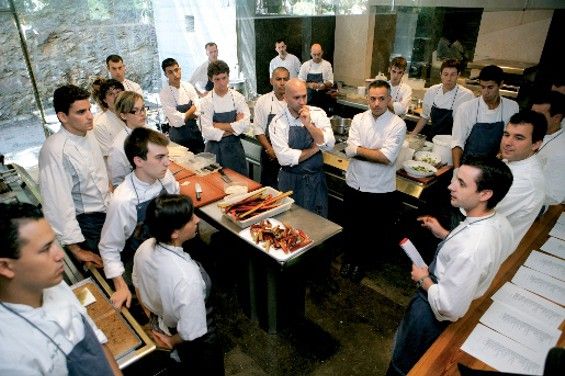
Chaos on the Floor and Confusion in the Back Office
Walk into the back office of almost any busy pub or restaurant on a Friday afternoon and you will likely find the same familiar scene: a noticeboard covered in out-of-date printouts, a stack of laminated allergen sheets that someone has scribbled on in biro, and a WhatsApp group chain so long that the original rota update is now buried beneath seventy-odd thumbs-up emojis and three photographs of someone’s new puppy. This is the reality of communication for a huge proportion of the UK’s hospitality teams, and it is a problem that carries a very real cost. When venue managers research the top intranet software 2026 has to offer, they quickly discover there is a smarter, calmer, and more efficient way to keep everyone on the same page.
The cost of poor communication in hospitality is rarely obvious until something goes wrong. A missed shift swap leaves a bar short-staffed on the busiest night of the week. A server who did not receive the updated allergen information delivers a dish containing nuts to a guest who specifically flagged an allergy. A new starter turns up without knowing about the smart dress code because nobody remembered to send the handbook. These are not hypothetical disasters — they happen regularly in venues that are still relying on informal, patched-together communication systems. The Food Standards Agency is clear on the legal obligations around allergen communication, and the stakes for getting it wrong are severe, both in terms of guest safety and business reputation.
The good news is that modern digital workplace platforms have evolved significantly, and the best ones in 2026 do not add administrative burden — they actively remove it. The right intranet for a hospitality venue should feel invisible in the best possible sense: staff find what they need instantly, managers spend less time chasing people, and shift supervisors can push important updates to the whole team in seconds, not hours. Getting there requires choosing the right platform, and that starts with understanding why the tools built for traditional office environments simply do not work behind a busy bar.
Why Desk-Bound Corporate Tools Fail in Hospitality
Most enterprise intranet platforms were designed with one type of worker in mind: someone sitting at a desk with a company laptop, a reliable internet connection, and a predictable nine-to-five schedule. That is about as far from the reality of hospitality work as it is possible to get. A server finishing a lunch shift does not have time to sit down at a terminal, remember a password, navigate through three menus, and eventually locate the updated specials board for the evening service. If the information is not available within seconds on a mobile device, it simply will not be accessed.
The hospitality environment is uniquely demanding in this respect. Staff move constantly — from the bar to the floor to the kitchen pass to the car park, often over the course of a single shift. Many work irregular hours, split shifts, or zero-hours arrangements, which means they are not part of a predictable morning briefing cycle. They may not use a company email address, and some will have limited familiarity with corporate-style software interfaces. Expecting them to engage with a platform that requires a VPN, a desktop login, or a seven-step verification process is simply unrealistic, and it creates friction that guarantees low adoption rates and frustrated managers.
The specific barriers that desk-bound corporate intranets create in a pub or restaurant context are worth spelling out clearly:
- Desktop-only access that excludes staff who are never at a fixed workstation during their shift
- Complex login processes that create delays when someone urgently needs to check an allergen or confirm a shift time
- Overly structured document libraries designed for corporate file management, not fast-moving hospitality operations
- Poor notification systems that do not push important updates to mobile devices in real time
- Lack of visual design suited to quick-scan reading between tables or during a short break
- No integration with rota management or EPOS systems already in use at the venue
A mobile-first design philosophy is not a nice-to-have in hospitality — it is the non-negotiable foundation on which everything else depends. Any platform that does not start from this premise should be removed from the shortlist immediately, regardless of what other features it claims to offer.
Essential Features Your Venue Actually Needs This Year
Once the commitment to mobile-first is established, the next step is identifying the specific features that will make a genuine difference to how a pub or restaurant runs day to day. Rota visibility sits at the top of that list. Staff need to be able to check their shifts from their phones at any time, request changes, and receive confirmation without a phone call. Equally important is document management that is genuinely simple — not a complex folder hierarchy, but a clean, searchable hub where handbooks, H&S policies, and compliance documents are always up to date and easy to find.
A central location for daily specials and allergen information is, in many ways, the most operationally critical feature for any food-serving venue. Menus change frequently, suppliers substitute ingredients without notice, and seasonal specials get added and removed at pace. Without a reliable central hub, the risk of a team member working from outdated information is constant. This is where a well-implemented digital workspace pays for itself quickly — not in saved admin hours alone, but in the reduced risk of costly mistakes. For venues focused on rolling out menu changes smoothly across the team, having a single source of truth that updates instantly across all devices is genuinely transformative.
When evaluating platforms, it helps to think in terms of the features that frontline staff will actually use versus those that look impressive in a sales demonstration but will gather digital dust. The following comparison outlines what genuinely matters in a hospitality context:
| Feature | Why It Matters in Hospitality | Must-Have or Nice-to-Have |
|---|---|---|
| Mobile app with push notifications | Staff rarely access information via desktop | Must-have |
| Rota visibility and shift management | Reduces missed shifts and scheduling confusion | Must-have |
| Allergen and menu document hub | Critical for food safety compliance | Must-have |
| Read receipts for key documents | Confirms staff have seen H&S and policy updates | Must-have |
| Onboarding and training modules | Speeds up new starter readiness and reduces burden on managers | Must-have |
| EPOS and rota system integration | Avoids duplicate data entry and improves accuracy | Strongly recommended |
| Advanced analytics dashboards | Rarely used by hospitality teams; adds complexity | Nice-to-have |
| Enterprise social networking features | Risk of distraction; WhatsApp already fills this gap | Optional |
The clearest message from this comparison is that simplicity wins every time in a fast-moving venue environment. Platforms that try to be everything to everyone tend to overwhelm staff with options they will never use, which drives disengagement and low adoption. The goal is to find a platform that does the essentials brilliantly, integrates with the systems already in use, and requires minimal training to use from day one.
Getting New Starters Up to Speed Quickly
Hospitality has one of the highest staff turnover rates of any sector in the UK economy. Venues can find themselves onboarding new team members several times a month, particularly in seasonal or high-footfall locations. Each new hire needs to understand the venue’s service standards, H&S procedures, fire safety routes, allergen protocols, and house rules before they step onto the floor — and delivering all of that through a pile of paper handouts or a rushed walk-through from a busy supervisor is neither reliable nor scalable.
A well-designed digital hub changes this entirely. Handbooks, compliance documents, training videos, and policy confirmations can all be sent automatically to a new starter the moment they are added to the system. Rather than relying on a manager to remember what to hand over, the platform handles the distribution, the tracking, and the confirmation. Read receipts are particularly valuable here — knowing that a new member of staff has opened and acknowledged the allergen policy, for example, provides a meaningful layer of protection that a verbal briefing simply cannot offer. This kind of structured digital onboarding is essential for training staff to deliver a better guest experience from their very first shift, rather than leaving them to figure things out on the job.
The practical benefits of centralised onboarding and training extend beyond the individual new starter. When training materials live in one accessible place, shift supervisors can point staff to specific modules during quieter periods, refresher training becomes straightforward, and any update to a policy — such as sharing policy updates clearly with staff around smoking or outdoor area rules — can be pushed to the entire team instantly with confirmation tracking. The ACAS guidance on staff training and development emphasises the importance of consistent, documented training delivery, particularly in sectors with high turnover, and a strong intranet platform makes meeting this standard far more achievable for venues of any size.
Key features to look for in the onboarding and training component of any platform include:
- Automated distribution of welcome packs and handbooks on new staff setup
- Read receipts and acknowledgement prompts for compliance-critical documents
- Short-form video support for visual training content like food presentation standards
- Role-based access so bar staff, kitchen porters, and supervisors each see relevant materials
- Simple quiz or confirmation tools to verify understanding of key policies
Making Your Final Platform Choice
With a clear picture of what a hospitality intranet needs to do, the challenge becomes narrowing down the options to the right fit for a specific venue. Size and budget play a significant role here. A single-site pub with twelve staff members has very different requirements from a multi-site restaurant group with a centralised HR team. Many platforms now offer tiered pricing models that scale with team size, which makes it easier to find something that does not feel like overkill for a smaller operation. Be cautious, however, of platforms that appear affordable at the entry level but charge heavily for the mobile app, push notifications, or read receipt features that make the tool genuinely useful in a hospitality context.
Before committing to a full rollout, testing with a small group of frontline staff is one of the most valuable steps a manager can take. A practical trial process might look something like this:
- Identify three to five frontline staff representing different roles — a server, a bar person, a supervisor, and if possible a new starter — to trial the platform over two to three weeks
- Upload real operational content from the outset, including actual rotas, current allergen information, and one genuine policy document, so the trial reflects daily use rather than a staged demo
- Gather structured feedback on specific questions: Was everything easy to find? Did the notifications work reliably? Was there anything confusing about the interface?
- Test the admin side simultaneously by having a manager or supervisor post an update, check read receipts, and simulate an onboarding workflow
- Review integration capabilities with any existing rota software or EPOS system before signing a contract, not after
The integration question deserves particular emphasis. If a venue is already using a dedicated rota platform, a well-known EPOS system, or an HR tool, the intranet should ideally connect with those systems rather than create a parallel data environment that requires duplicate entry. Equally, it is worth being firm about resisting feature creep during the sales process. Every feature that gets added to a platform makes it slightly more complex, and complexity is the enemy of adoption in a fast-moving hospitality setting. A platform that does six things brilliantly will serve a pub or restaurant team far better than one that claims to do thirty things adequately.
Start Building a Better Connected Team Today
The best technology in hospitality is the kind that fades into the background and simply makes the shift run more smoothly. Staff should not be thinking about the intranet — they should just know where to find what they need, receive the information they require before service begins, and get on with the job of making guests feel genuinely welcome. When the right platform is in place, rota queries stop clogging up the group chat, new starters arrive on their first shift with a real grounding in the venue’s standards, and managers spend less time chasing confirmations and more time leading their team on the floor.
Happy, well-informed staff naturally provide better customer service, and that connection between internal communication and guest experience is not coincidental — it is causal. Venues that invest in the right tools for their teams see the results where it matters most: in return visits, in positive reviews, and in a calmer, more confident atmosphere on even the busiest nights. The practical next step is straightforward: book a demonstration with one or two shortlisted platforms, bring a shift supervisor or experienced floor staff member into the process from the start, and let real operational feedback shape the final decision. The right choice is the one your team will actually use.